When it comes to summer fun, choosing the right Floating Mat can significantly enhance your experience. As Mike Johnson, a noted expert in aquatic equipment, states, “A quality Floating Mat can turn any lake or pool into a relaxing paradise.” With countless options available, you might find the selection overwhelming. The ideal Floating Mat should balance durability, size, and comfort.
Consider what activities you'll engage in on the mat. Will it be lounging, playing games, or hosting friends? Personal preferences will greatly influence your choice. Don't underestimate the impact of quality materials—they can affect both performance and longevity. While many mats look appealing, not all deliver on their promises.
It's crucial to reflect on user reviews and product features. Some mats may glide smoothly across the water, while others might not. Familiarize yourself with different brands and their reputations before making a decision. Your chosen mat should not only fit your needs but also ensure safety and enjoyment for everyone involved.
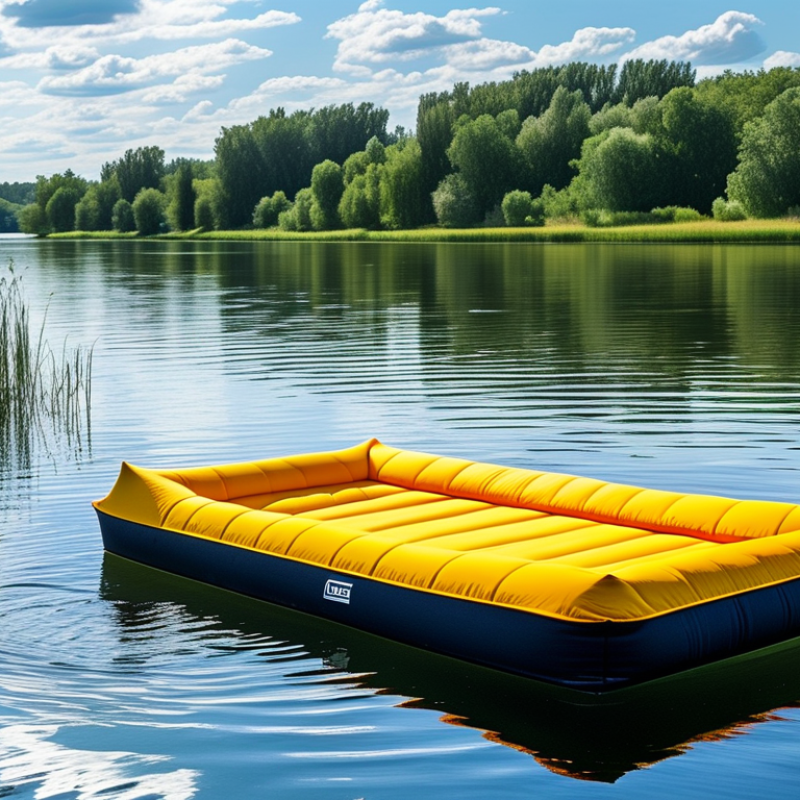
When choosing a floating mat for summer fun, it’s crucial to understand the various types available. There are inflatable mats, foam mats, and durable fabric styles, each offering unique experiences. Inflatable mats are lightweight and portable. However, they may not endure rough surfaces well. Foam mats, on the other hand, offer excellent buoyancy and stability. They can be more challenging to transport, but they provide a solid surface for lounging and playing.
Consider the size and thickness of the mats as well. Thicker mats usually support more weight and are more comfortable. However, larger mats can be cumbersome to carry. A large mat may hold several people, becoming a fun center in the water. Look for mats with texture as well; some provide grip, while others are slippery when wet. It's essential to assess your needs and intent for use.
Safety is another aspect to reflect on. Not all floating mats are designed for prolonged exposure to direct sunlight. Some materials can degrade over time. Always check user reviews to gauge reliability and experience. Think about how you plan to store the mat after use—some require careful handling, while others can be left outdoors temporarily. Choosing the right mat can enhance your summer fun while ensuring a safe and enjoyable experience.
Choosing the right floating mat for summer involves careful consideration of several factors. Size is one of the primary elements. Ensure it accommodates the number of users you expect. A larger mat offers more space but requires more storage. Consider the weight limit as well. Overloading a mat can lead to unexpected accidents.
Material also plays a crucial role. Most mats are made from foam or a combination of foam and vinyl. Durable materials resist wear from sunlight and water. Look for mats that are UV-resistant to maintain their quality through the season. Rough textures can sometimes result in discomfort, especially upon prolonged use, which is worth thinking about.
Safety features are essential to contemplate. Mats with non-slip surfaces provide better stability, reducing the risk of slipping during fun activities. Some mats are designed with additional flotation components for increased buoyancy. Inspect the edges before buying. Sharp or rough edges can cause injury, especially for children. Reflecting on these factors can enhance your summer experience.
When selecting a floating mat for summer fun, it's essential to focus on durability and material quality. Look for mats made from high-quality foam or PVC that can withstand sun exposure and water conditions. A durable mat must resist wear and tear, especially if used frequently. Check the thickness; a thicker mat often provides better buoyancy and longevity.
Tip: Consider mat size. A larger mat allows more friends to join, while a compact mat is easier to store. Always evaluate user reviews to learn about real-life experiences regarding durability.
Another critical factor is the mat's surface texture. A smooth surface can be slippery, while a textured one may offer better grip. Look for mats that maintain their shape over time and do not become thinner after just a few uses. The seams should be secure, preventing water leakage.
Tip: Prioritize mats that offer warranties. This shows confidence in the product's durability. Additionally, assess how easy the mat is to clean and maintain. Mats that easily accumulate dirt may lose their appeal over time, making cleaning an ongoing task.
When choosing a floating mat, size and weight capacity are crucial. Most mats range from 6 to 15 feet in length. The size impacts how many people can comfortably use it. Consider how you plan to use the mat. A larger mat is ideal for family gatherings, while a smaller one suits solo relaxation.
Weight capacity can vary significantly. Some mats support up to 1,200 pounds, while others hold only about 400 pounds. Know the combined weight of users. Too much weight can lead to safety risks. It’s essential to read specifications carefully to prevent disappointing experiences.
Check the mat's thickness as well. A thicker mat often provides better buoyancy. However, it might be heavier and less portable. Consider where you will store the mat when not in use. Weigh all these factors. Balancing size, weight capacity, and ease of use is key to enjoying your summer fun.
| Floating Mat Size (ft) | Weight Capacity (lbs) | Material | Recommended Age |
|---|---|---|---|
| 6 x 12 | 1,000 | Closed Cell Foam | 4+ |
| 8 x 15 | 1,200 | Durable PVC | 8+ |
| 10 x 5 | 800 | NBR Foam | 3+ |
| 12 x 6 | 1,500 | Cross-Linked Foam | 10+ |
| 20 x 6 | 2,000 | Heavy-Duty Vinyl | 12+ |
When selecting a floating mat, safety features are crucial. Data from the Consumer Product Safety Commission indicates that over 1,000 injuries related to pool toys occur each year. A sturdy mat should have a non-slip surface to prevent accidents. Look for additional safety features like reinforced edges and buoyancy support. These can significantly reduce the risk of misuse or accidents on the water.
Maintenance is equally important for ensuring longevity. Floating mats should be rinsed with fresh water after each use. Salt and chlorinated water can degrade materials over time. A study from the American Society for Testing and Materials highlights that mats made from UV-resistant materials last longer in sunlight. Regular inspection for wear and tear can catch small issues before they become large problems. Remember, even a small tear can compromise safety.
While floating mats offer endless summer fun, attention to safety and maintenance is key. It’s easy to overlook these aspects in favor of enjoyment. However, being diligent in these areas ensures safer experiences. Causing a discomfort or injury is not merely a minor annoyance but can lead to lasting consequences. Taking time to choose wisely is not just clever; it’s essential.
: There are inflatable mats, foam mats, and fabric styles. Each type offers a different experience.
Think about size, thickness, and intended use. Thicker mats support more weight but can be heavy to carry.
No, not all mats are made for extended exposure to sunlight. Materials may degrade over time.
Rinse your mat with fresh water after each use. This keeps it free from salt and chlorine damage.
Look for non-slip surfaces, reinforced edges, and good buoyancy support. They help reduce the risk of accidents.
Consider how it needs to be handled. Some can be left outside, while others require careful storage after use.
Regularly check for wear and tear. Catching small damages early prevents larger issues later on.
Yes, even a small tear can compromise safety. What seems minor can lead to major problems.
Yes, reviews provide insights into reliability and user experiences. They help you make informed decisions.
People often prioritize enjoyment over safety and care. However, neglect can lead to discomfort and injuries later.
When selecting the best Floating Mat for summer fun, it's essential to understand the various types available. Different Floating Mats cater to diverse activities, so identifying your specific needs is crucial. Consider factors like size, weight capacity, and the mat's intended use, whether it's for lounging or engaging in games with friends and family.
Evaluating the durability and material quality of a Floating Mat is vital for ensuring longevity and safety during use. Choose mats made from high-quality materials that can withstand UV exposure and abrasions. Additionally, look for safety features, such as non-slip surfaces and secure anchoring options, to enhance your enjoyment on the water. Maintenance tips, such as proper cleaning and storage, can further aid in maintaining your Floating Mat's condition, ensuring countless summer adventures.

Huayue Toys