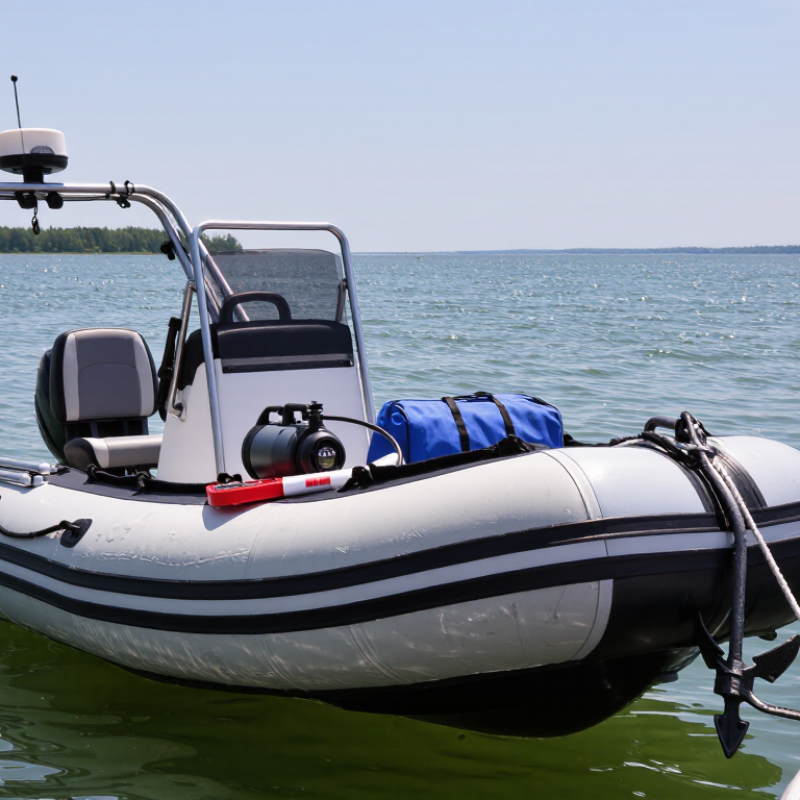
Choosing the right Inflatable Boat Accessories can change a pleasant trip into a safer, more controlled experience. A compact electric pump, reinforced repair patches, waterproof storage bags, and reliable navigation lights may seem ordinary. On open water, they become important equipment. A loose valve tool or poorly fitted seat can create problems quickly, especially when wind pushes the boat away from shore.
Marine safety educator Mario Vittone often says, “The best life jacket is the one you wear.” That principle should guide every purchase. Comfort, fit, visibility, and real usability matter more than attractive packaging. This guide explores ten practical buying tips, including material quality, weight, compatibility, corrosion resistance, storage space, and emergency value. Each accessory should match the boat, the water conditions, and the person using it.
Small details matter.
A pump should reach the correct pressure without overheating. An anchor system needs suitable rope length and dependable knots. A repair kit should contain adhesive designed for the boat’s fabric, not a random household glue. Still, no checklist is perfect. A premium accessory can fail when stored carelessly, while an inexpensive item may perform well under gentle conditions. That uncertainty deserves honest attention. Test every important item before departure, inspect it after use, and replace anything showing cracks, rust, fading, or weak seams. These buying tips aim to support informed decisions, not encourage unnecessary spending. Safety equipment deserves priority, while convenience accessories should earn their place through repeated, practical use.
10 Best Inflatable Boat Accessories Buying Tips
Define your boating needs before choosing accessories. Calm lakes, sheltered bays, and moving rivers demand different equipment. Measure your boat’s valves, attachment points, storage space, and maximum load. A large anchor may seem useful, but it can unbalance a small inflatable boat. Choose a compact pump with a pressure gauge, because guessing pressure by touch is unreliable. An adjustable paddle should fit your height and leave enough room for passengers.
Think about real conditions. A dry bag protects phones, keys, and emergency supplies during sudden spray. A repair kit should match the boat’s material and include patches, adhesive, and valve tools. Keep a properly fitted personal flotation device for every passenger. Add a whistle, waterproof light, first-aid supplies, and a visible signaling item where they remain easy to reach. Test each item before departure, not after trouble begins.
I once packed too much gear for a short afternoon trip. The boat felt crowded, and the extra weight reduced handling. That mistake changed how I select accessories. Prioritize safety, comfort, and simple storage. Check fasteners for corrosion and inspect oar locks regularly. Read the boat’s manual before installing seats, fishing holders, or motor mounts. Some accessories fit poorly, even when their measurements look correct. Leave space for movement. A tidy setup is easier to control when wind rises.
Define your boating needs first, then prioritize accessories according to safety, control, comfort, storage, visibility, and maintenance.
The planning scores use a 100-point buying checklist: safety and boat control receive the highest priority, while comfort and maintenance follow. Use the chart as a practical guide and adjust the priorities for fishing, family cruising, coastal trips, or short recreational outings.
Buying inflatable boat accessories requires more than attractive photos and low prices. Compatibility should guide every decision. Check valve types, mounting points, attachment diameters, and the boat’s maximum load. A pump nozzle that almost fits can leak air during use. I learned this after carrying an unsuitable adapter on a windy shoreline. It looked correct. It was not. Measure your fittings before ordering, and compare specifications with your boat manual.
Tips: Choose accessories that match your boat’s length and intended activity. A large anchor may improve holding power, but it can overload a small inflatable boat. Keep total passenger and gear weight within the stated capacity. Measure storage space too. An accessory that works on water may still be awkward to transport.
Material quality affects safety, comfort, and service life. Look for corrosion-resistant hardware, reinforced seams, UV-resistant fabrics, and handles with secure stitching. For paddles, inspect blade edges and shaft joints for flex. Cheap plastic may crack after repeated sunlight exposure. I prefer slightly heavier parts when they feel solid and balanced. Still, weight alone is not proof of quality. Check warranties, care instructions, and independent user feedback. Test each connection on land before launching. This small step can reveal poor fit, weak fasteners, or missing parts.
Safety should guide every accessory choice. Select a properly rated pump with a clear pressure gauge. Overinflation can stress seams, while low pressure reduces stability. Check grab lines, repair patches, and compact emergency whistles for dependable use. A strong anchor system also helps control drift in mild conditions. I once underestimated the value of a visible flag. It made the boat easier to notice near busy shorelines.
Tip: Compare weight ratings, attachment points, and corrosion-resistant materials before buying. A cheap fitting may loosen after repeated launching.
Comfort affects control, especially during longer trips. Look for adjustable seats, nonslip floor coverings, and padded back supports. Keep an insulated cooler secured, not floating around underfoot. Storage bags should use waterproof fabric and simple closures. Dry bags protect phones, maps, and spare clothing from sudden spray. Small details matter.
Tip: Test the seating position before purchasing extra cushions. Too much height can make paddling awkward and reduce balance.
Performance accessories should match the boat’s size and your typical water conditions. Lightweight oars improve handling, but longer oars may suit wider boats. A compact electric pump saves effort, although it still needs a manual backup. Consider fin attachments, carrying wheels, and a stable mounting system for navigation equipment. I prefer fewer accessories with secure fittings. More equipment is not always better, and that lesson came after one overloaded launch.
10 Best Inflatable Boat Accessories Buying Tips
Maintenance should guide every accessory choice. The 2023 U.S. Coast Guard Recreational Boating Statistics recorded 4,064 accidents and 556 deaths. Reliable equipment cannot prevent every incident, but it can reduce avoidable failures. Choose accessories with corrosion-resistant fittings, replaceable parts, and clear cleaning instructions. A pressure gauge is more useful than a decorative upgrade. It helps prevent underinflation, which can reduce stability and increase seam stress. Rinse salt and sand after every trip. Then dry the boat fully before storage. I sometimes skip this step when weather changes quickly. That mistake has consequences.
Portability matters when the launch area is far from parking. Compare the packed length, total weight, and carrying method, not just the accessory’s size. Removable wheels, compact pumps, and lightweight dry storage usually earn their space. The National Marine Manufacturers Association reported about 11.6 million registered recreational boats in the United States in 2023, showing how common small-watercraft use has become. Yet crowded markets encourage unnecessary purchases. Measure your boat’s valve type, attachment points, and available storage first.
Installation should require minimal tools and little guesswork. Test every fitting on shore, including straps, seats, pumps, and repair materials. A good accessory should install without forcing fabric or blocking drainage. Avoid permanent modifications unless the manufacturer permits them. Read independent technical reviews, but check whether testing used similar water and weather conditions. Ease is valuable. However, “quick setup” claims sometimes hide awkward adjustments. Take notes after each outing; real use reveals more than packaging.
10 Best Inflatable Boat Accessories Buying Tips
A realistic budget prevents rushed purchases and protects money for essential safety equipment. I usually separate accessories into three groups: safety, handling, and comfort. A manual pump, repair kit, strong tow line, and suitable life jackets deserve priority. Add storage bags or fishing holders only after checking the remaining budget. Small costs accumulate quickly. I once bought a cheap pressure gauge and replaced it after two trips. That mistake taught me to compare materials, accuracy, and customer support before choosing.
Reliable accessories should match your boat’s size, fittings, and recommended load limits. Check valve compatibility carefully, especially when buying pumps or replacement parts. Look for reinforced seams, corrosion-resistant hardware, and clear care instructions. A product may look solid online but feel weak in your hands. Read independent user experiences, but treat every review with some caution. Poor installation can also cause failure, even with good equipment.
Warranty support adds value when an accessory fails unexpectedly. Read the coverage period, exclusions, repair process, and shipping responsibilities before paying. Keep the receipt and photograph the product after delivery. Ask whether replacement parts remain available after the warranty ends. Helpful support should provide clear answers, not vague promises. I have ignored warranty details before, and regretted it later. A modestly priced accessory with dependable support may outperform a cheaper item that leaves you stranded. Safety-related products deserve especially careful verification.
Measure valve types, mounting points, attachment diameters, and storage areas. Compare these measurements with the boat manual. A nozzle that almost fits may leak air. I learned that on a windy shoreline.
They are essential for stability and safe handling. Check the boat’s passenger and gear capacity. A large anchor may overload a small boat. Include coolers, paddles, batteries, and accessories in the total weight.
Look for corrosion-resistant hardware, reinforced seams, and UV-resistant fabrics. Handles should have secure stitching. Inspect paddle blades and shaft joints for unwanted flex. Weight helps, but it is not proof of quality.
Choose a correctly rated pump with a clear pressure gauge. Carry repair patches, grab lines, a tow line, and suitable life jackets. A compact whistle and visible flag can improve awareness. Small items matter.
Test every pump connection on land before launching. Check the pressure recommended by the boat maker. Overinflation can stress seams. Low pressure may reduce stability. Keep a manual pump as backup.
Consider adjustable seats, nonslip floor coverings, and padded back supports. Secure coolers so they cannot move underfoot. Use waterproof storage bags for phones, maps, and spare clothing. Too much seat height can reduce balance.
Match oar length and weight to the boat’s width and typical water conditions. Carrying wheels can simplify transport. A mounting system should stay stable during movement. More equipment is not always better. I once overloaded a launch.
Divide purchases into safety, handling, and comfort. Buy a pump, repair kit, tow line, and life jackets first. Add storage or fishing holders later. Small prices accumulate quickly. My cheap pressure gauge lasted two trips.
Read the coverage period, exclusions, repair process, and shipping responsibilities. Keep the receipt and photograph the item after delivery. Ask about future replacement parts. Support should give clear answers, not vague promises. I ignored this once. Regretted it.
Choosing the right Inflatable Boat Accessories begins with understanding your boating needs, including the type of water, number of passengers, and activities you plan to enjoy. Select items that match your boat’s size, weight capacity, and design, while checking compatibility, durable materials, and secure construction. Accessories should improve safety, comfort, storage, and overall performance without creating unnecessary bulk or imbalance.
Before buying, compare features such as portability, weather resistance, ease of installation, and maintenance requirements. Lightweight, practical products are often easier to transport and store, especially when space is limited. Set a realistic budget and focus on long-term value rather than the lowest price. Reliable accessories should include clear instructions, dependable customer support, and suitable warranty coverage. By evaluating function, quality, convenience, and cost together, you can build a safer, more comfortable, and better-prepared boating setup.

Huayue Toys