When selecting the right marine fenders, various factors come into play. Marine fenders are essential for protecting vessels during docking and mooring operations. They act as shock absorbers, minimizing damage to both the ship and the docking structure. Choosing the wrong type can lead to increased repair costs and safety hazards.
Different marine fenders serve specific purposes. For instance, inflatable types are versatile and ideal for limited spaces. Foam-filled fenders offer excellent energy absorption. Such variations can confuse those less familiar with marine equipment. Your needs, the type of vessel, and environmental conditions all influence choosing the right marine fender.
Consideration of quality is vital. Not all marine fenders are created equal. Some may wear quickly, while others maintain performance over time. Research reputable suppliers to find durable options. Remember, the right marine fender not only protects your investment but also ensures overall safety in maritime operations.
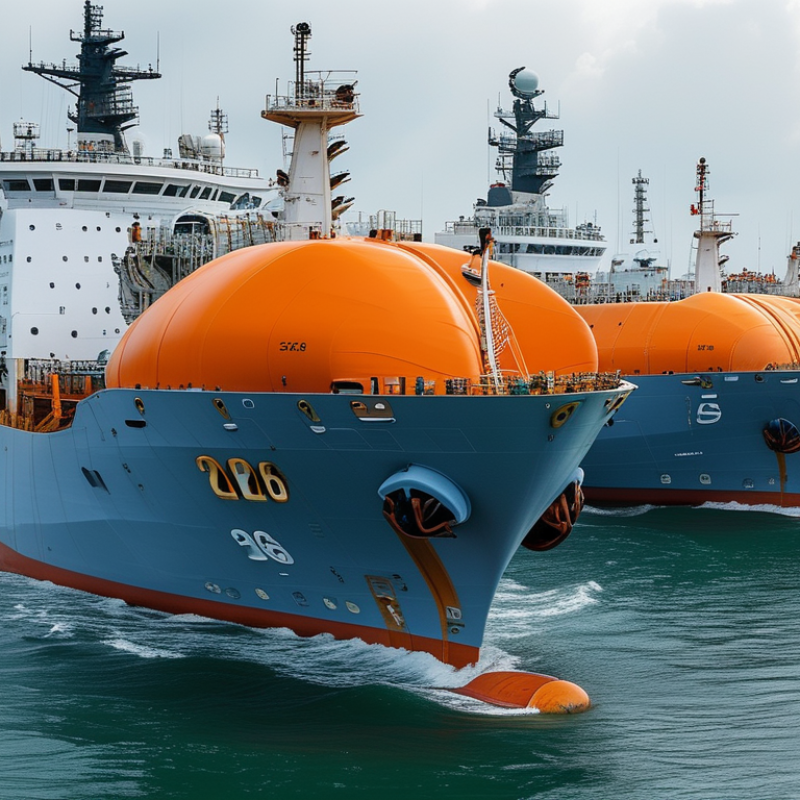
Marine fenders play a critical role in boating safety. These protective devices act as a buffer between the boat and the dock, reducing the risk of damage during mooring. Without them, both vessels and docks can sustain costly injuries. Choosing the right fender adds a layer of safety that shouldn’t be overlooked.
Understanding the types of marine fenders is essential. Different styles cater to various vessels and conditions. For instance, inflatable fenders are lightweight yet effective, while foam-filled options often provide superior impact resistance. However, not all fenders suit every circumstance. A mismatch can lead to inadequate protection, increasing the potential for accidents during docking.
It's also important to consider the maintenance of marine fenders. Regular inspections can help identify wear and tear. As fenders age, their performance can decline, undermining their protective capabilities. Skipping this step might seem trivial, but it can lead to serious consequences. Ensuring your fenders are in good condition is key to safe boating. Think about how often you check your equipment. Regular vigilance is vital for safety on the water.
When selecting marine fenders, understanding the various types is crucial. There are several categories, each designed for specific applications. For instance, pneumatic fenders are widely used due to their buoyancy and flexibility. They can absorb significant impact energy, reducing the risk of damage during mooring operations. In fact, reports suggest that around 40% of marine accidents occur during berthing, highlighting the importance of proper fender choice.
Another popular type is foam-filled fenders. These offer excellent resilience and are often used in rough waters. They’re lightweight and easy to handle, making them ideal for various vessel sizes. Data indicates that the global demand for foam-filled fenders grew by 15% last year alone. However, users must consider environmental factors, such as water salinity and temperature, which can affect performance.
Cast nylon fenders are also worth mentioning. They provide strong durability but may require mindful maintenance. Users have noted that wear can occur faster than expected in high-traffic areas. Careful evaluation of installation conditions and fender specifications is essential. Ultimately, it's vital to assess operational needs thoroughly for effective fender selection.
When selecting marine fenders, several factors play a crucial role in ensuring safety and efficiency. The type of vessel is essential. Larger vessels may require heavy-duty fenders capable of absorbing significant impacts. According to industry reports, about 60% of marine accidents occur due to improper fender selection. Understanding the operation conditions is vital. Consider water depth and tidal changes when choosing the right size and type of fender.
Another important factor is the material of the fender. Different materials like rubber or foam have varying levels of durability and resistance to weather conditions. A recent study showed that rubber fenders last up to 25% longer in harsh environments. Keep in mind, the installation method matters too. Proper alignment can prevent fender failure and ensure vessel safety.
Tips: Always check compliance with industry standards. Selecting fenders that meet recognized specifications can significantly enhance performance. Additionally, factor in the maintenance needs of your chosen fender. Regular inspections and upkeep can avoid costly replacements in the long run. Investing in quality will pay off, but it requires careful consideration.
When selecting marine fenders, material choice plays a crucial role. Common materials include rubber, foam, and plastic. Each has its own pros and cons. Rubber fenders are durable and offer great shock absorption. However, they can be heavy, making installation challenging. Foam fenders are lightweight and easy to handle. They resist water absorption but may not offer the same durability as rubber.
In contrast, plastic fenders are corrosion-resistant and provide good protection. Yet, their lifespan may be shorter compared to rubber or foam. It's essential to weigh these factors based on your specific needs.
Tip: Consider your marine environment before making a decision. If your location experiences harsh weather, rubber fenders could be more effective. For calmer waters, foam fenders may suffice. Remember to check for wear and tear regularly to ensure safety and performance over time.
| Material Type | Pros | Cons | Best Use Case |
|---|---|---|---|
| Rubber | Durable, shock-absorbent, good resistance to harsh weather | Can be heavy, may require maintenance over time | Commercial shipping, cargo ships |
| Polyurethane | Lightweight, resistant to UV and chemical damage | Can be more expensive, may not be as durable in all conditions | Yachting, smaller vessels |
| Foam | Lightweight, buoyant, does not absorb water | Less effective for heavy impacts, may need replacement sooner | Recreational boats, marinas |
| Vinyl | Flexible, resistant to abrasion and sunlight | Limited lifespan, can be prone to tearing under heavy use | Piers, docks, temporary installations |
Marine fenders play a crucial role in protecting both vessels and docks from collisions. However, proper maintenance is often overlooked. Regular inspections are vital. Look for signs of wear, such as cuts or abrasions on the fender surface. Damage can lead to reduced effectiveness, compromising safety.
Cleaning your fenders is essential. Use mild soap and water to remove debris. Avoid harsh chemicals that can degrade the material. Sun exposure can cause fading and brittleness. Consider storing fenders in a shaded area when not in use. This small step can significantly extend their lifespan.
It’s easy to assume fenders will last indefinitely. But neglect can lead to costly replacements. Reflect on your maintenance routine. Set a schedule to check fenders regularly. Frequent attention can prevent larger issues. Remember, a little effort goes a long way in ensuring the longevity of your marine fenders.
: Common materials include rubber, foam, and plastic, each with unique advantages and disadvantages.
Rubber fenders are durable, provide excellent shock absorption, but can be heavy and hard to install.
Foam fenders are lightweight and easy to handle, resisting water absorption but may lack durability compared to rubber.
Plastic fenders are corrosion-resistant and offer good protection, but their lifespan may be shorter than that of rubber or foam.
Regular inspections for wear, cleaning with mild soap, and avoiding harsh chemicals are important for maintenance.
Sun exposure can cause fading and brittleness, so shaded storage can significantly extend fender lifespan.
Set a regular schedule for inspections to catch wear and prevent larger, costlier issues down the line.
Neglecting maintenance can lead to reduced effectiveness and costly replacements, so regular attention is crucial.
Yes, harsh weather conditions may require rubber fenders, while calmer waters could be served by foam fenders.
Assess your marine environment, vessel type, and usage frequency to choose the most suitable fender material.
Marine fenders play a crucial role in ensuring boating safety by providing protection for vessels during docking and mooring. Understanding the different types of marine fenders, from cylindrical to spherical, is essential for boaters to select the right option for their specific needs. Factors such as vessel size, anticipated impact forces, and environmental conditions are vital to consider when choosing the appropriate fender.
Furthermore, the materials used in marine fenders, such as rubber, foam, or PVC, each have their own advantages and disadvantages, affecting durability and performance. Proper maintenance is also key to extending the lifespan of marine fenders, including regular inspections and cleaning. By considering these elements, boaters can ensure they select the most effective marine fenders for their safety and operational efficiency on the water.

Huayue Toys